Begin with the work, not the specification sheet
A student learning basic computing, an office preparing invoices, and a workstation handling demanding workloads do not need identical systems. My approach is to begin by understanding the software, workload, budget, and expected years of use before selecting components.
The intention is to explain why a particular configuration fits, where it has limits, and which upgrades are realistic. This should make decisions easier for first-time users and reduce spending on features that do not serve their needs.
Think in terms of the whole ownership journey
The initial price is only one part of affordability. Compatibility, power use, downtime, replacement parts, and the ability to diagnose faults all affect the real cost. My vision is to make these considerations visible before a purchase or upgrade.
Where a used or refurbished component is considered, its condition, testing history where available, limitations, and service terms should be stated clearly. The objective is useful value without disguising uncertainty as a guarantee.
Build a habit of diagnosis
Practical content should show how to isolate a problem instead of replacing parts by guesswork. A learning sequence might cover safe inspection, symptom recording, checking known-good connections, and comparing behavior after one controlled change.
Guides should separate beginner tasks from work requiring trained personnel. Good troubleshooting also means knowing when to stop, preserve data, and escalate rather than risking more damage.
Plan for maintenance and continuity
I want documentation to cover cleaning appropriate to the equipment, backups, storage health, upgrade compatibility, and records of work performed. A repair should leave behind an understandable explanation, not just an invoice.
Over time, reusable checklists and documented examples can help local technicians deliver more consistent service. This is a proposed learning and service philosophy, rather than an existing national service commitment.
A practical learning scenario
A learner brings in a slow computer and assumes that every component needs replacement. A better starting point is to record the symptom, observe the workload, check the condition of the existing system, and compare suitable options. The explanation should make the reason for each choice visible.
I want examples like this to become learning resources that show how experience changes a decision. They should connect diagnosis with value: what can be retained, what improvement is realistic, and when replacement is the more sensible option.
Proposed next steps
- Document the user’s workload and budget.
- Compare suitable options and future upgrade limits.
- Record baseline checks and a maintenance plan.
- Review recurring failures to improve recommendations.
What progress should show
- Cost over the intended ownership period
- Frequency of avoidable replacement
- Completeness of repair and configuration records
- User ability to understand basic maintenance
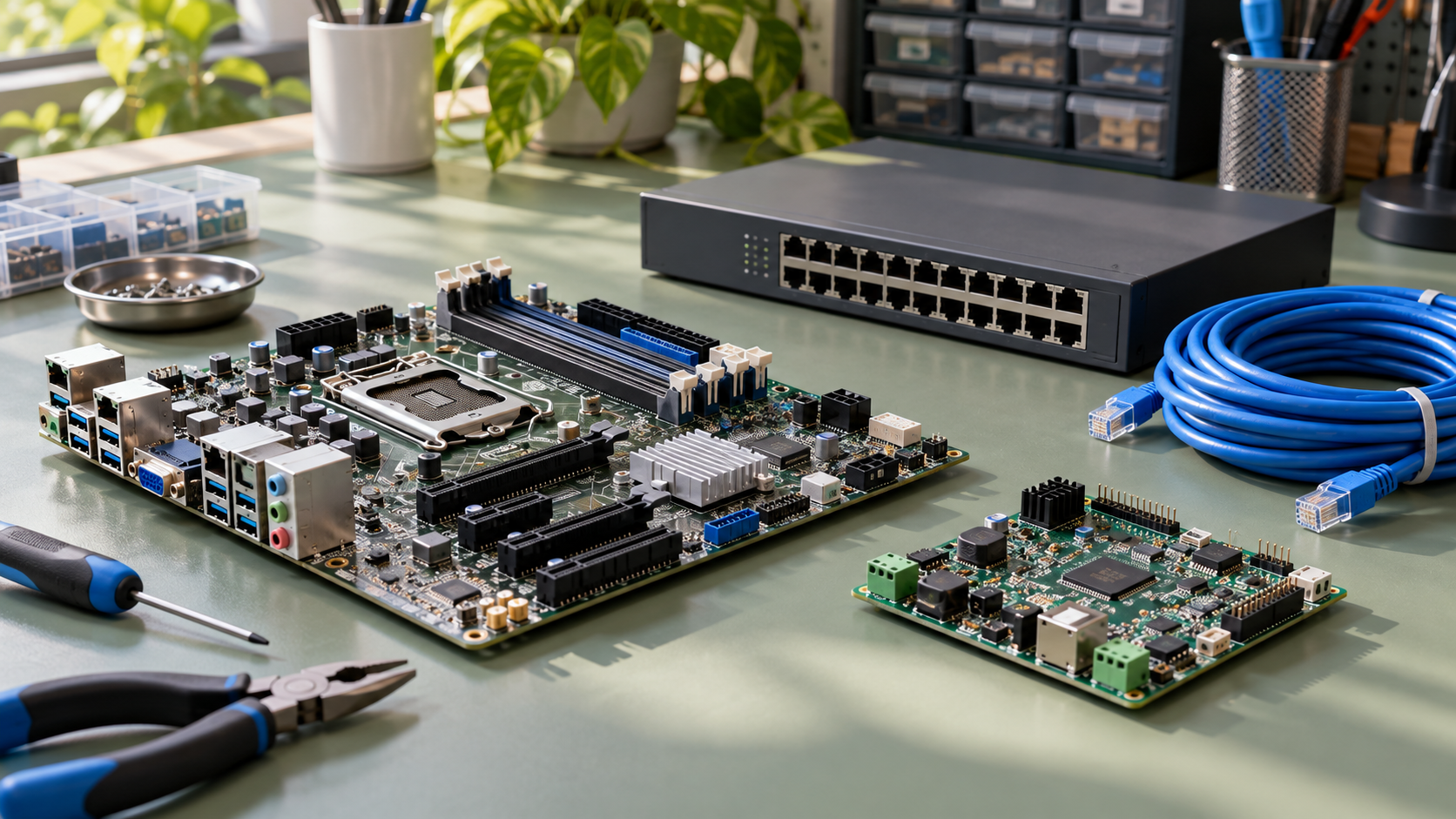
This is Arvind Mishra’s vision and proposed development approach. Future categories, capabilities, partnerships, and milestones are ambitions unless explicitly described as current work. Product photographs are AI-generated illustrations, not photographs of manufactured inventory.