Strengthen the foundation first
The first priority is to improve the existing power-product manufacturing foundation and document the practical knowledge gained from it. More demanding electronics need disciplined specifications, dependable suppliers, trained people, and a repeatable way to learn from failures.
This roadmap is a direction for planning. It is not a promise of a factory opening, a production volume, a verified product launch, or an investment already secured.
Separate the steps in PCB development
PCB design, board fabrication, component sourcing, assembly, and testing are distinct activities. My planning needs to identify which capabilities can realistically be developed in-house and which would initially require specialist partners.
Early work should focus on a defined application, prototype iterations, manufacturing feedback, and appropriate validation. The intended 2030 outcome must be supported by actual technical and commercial feasibility rather than the assumption that all stages can be established at once.
Approach motherboards as a system
Motherboard manufacturing brings together platform selection, compatible components, firmware, board-level engineering, assembly, testing, documentation, and support. The choice of platform and partners would be part of feasibility work before a specific product commitment.
I want the process to progress through design review, functioning prototypes, validation for the intended use, and controlled pilot production before wider release. High quality should be evidenced through the checks appropriate to the actual design.
Keep the semiconductor ambition precise
Expanding into the semiconductor sector is part of my longer-term vision. Chip design, packaging, testing, and wafer fabrication involve different capabilities and requirements. A credible next step is to study where participation could be realistic, rather than presenting a broad ambition as an existing capability.
The overall goal is to build useful expertise and products in India, step by step. Milestones should be reviewed against technical readiness, quality, resources, partnerships, and support capacity. Plans should be updated openly as those conditions become clearer.
Connect manufacturing with the core work
Experience with computers, servers, storage, networks, and surveillance can help identify practical product requirements. It can also reveal where serviceability, power quality, connectors, documentation, and component availability make a real difference. I want these observations to inform future design decisions.
The ambition is to move thoughtfully from field experience to product development. That means keeping a disciplined boundary between what we understand, what we can prototype, what we can manufacture consistently, and what still needs specialist collaboration.
Proposed next steps
- Foundation: improve current products, records, and learning content.
- Feasibility: evaluate PCB roles, platforms, partners, and resources.
- Development: prototype, test, revise, and prepare controlled pilots.
- 2030 target: begin PCB and motherboard manufacturing, subject to readiness.
What progress should show
- Documented feasibility and partner decisions
- Prototype functionality and validation evidence
- Readiness of process, testing, and support
- Clear distinction between targets and completed milestones
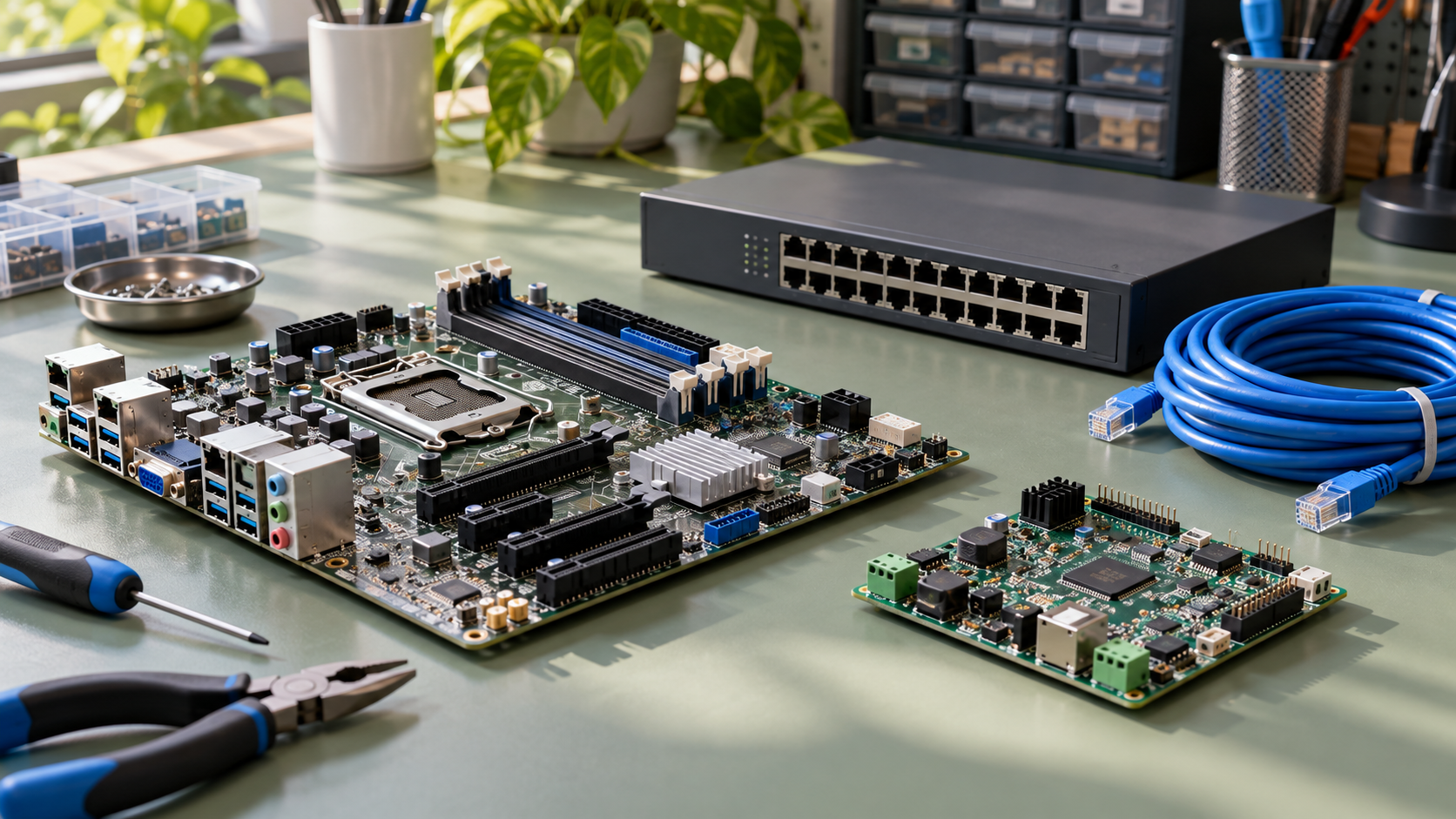
This is Arvind Mishra’s vision and proposed development approach. Future categories, capabilities, partnerships, and milestones are ambitions unless explicitly described as current work. Product photographs are AI-generated illustrations, not photographs of manufactured inventory.