Build on the current foundation
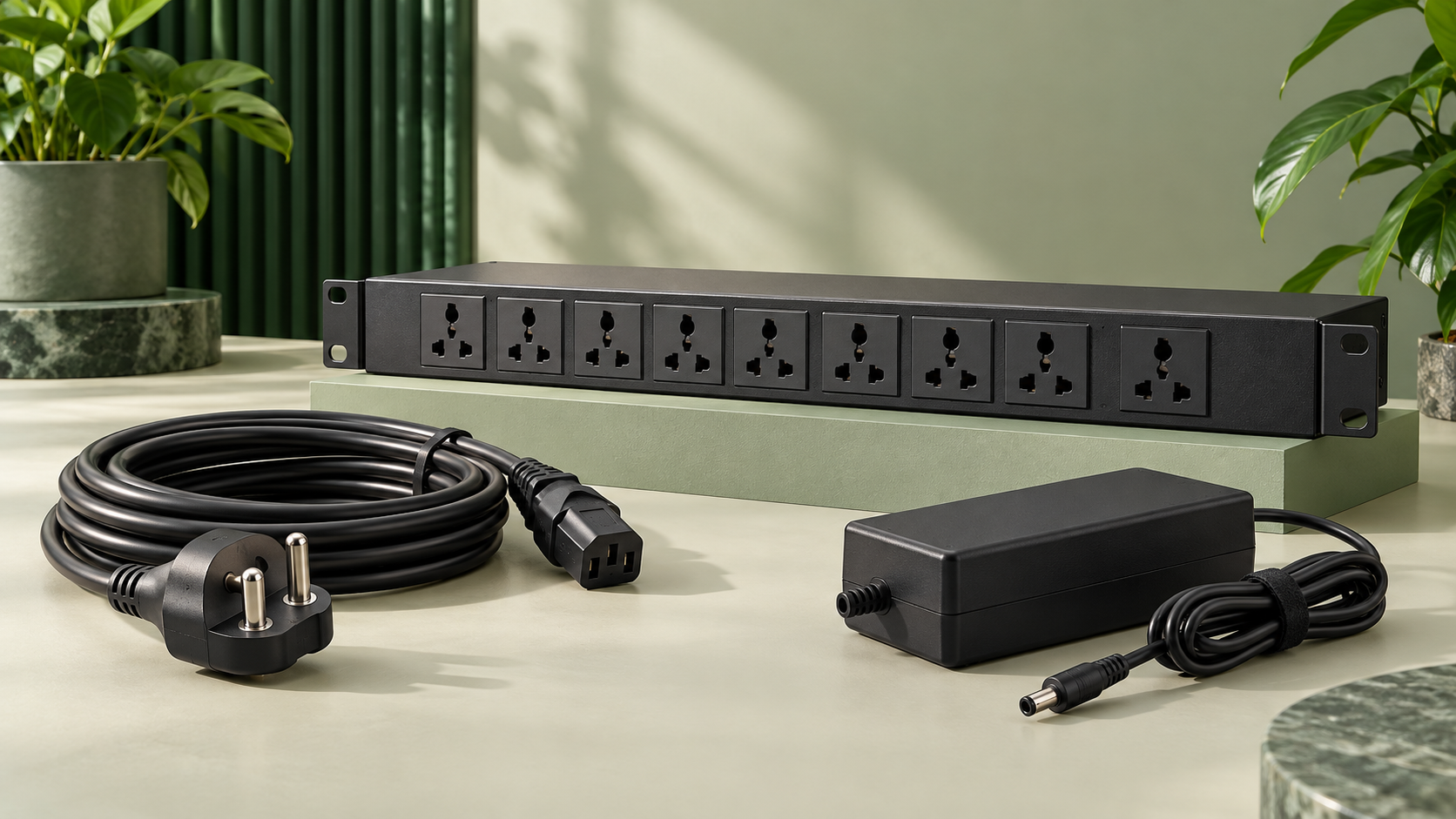
For the past two years, I have been manufacturing power cords, PDUs, and power adapters. This is the practical starting point for my wider manufacturing vision. The next step is to make the process more consistent, documented, and responsive to real user needs.
This page describes intended improvements and development priorities. It does not assign unverified electrical ratings, certifications, production capacity, or performance guarantees to any existing product.
Power cords: consistency in the details
My development priorities include clear intended use, appropriate component selection, assembly consistency, strain management, identification, and a documented inspection process. Product specifications should be tied to the actual model and supported by appropriate evaluation.
A cord should not be chosen by appearance alone. Future product information should explain compatibility and limits clearly enough for purchasers and installers to make an informed decision. Electrical work and testing must be handled by appropriately qualified people.
PDUs: fit the installation
A PDU needs to fit the equipment, mounting arrangement, intended electrical load, and installation environment. My vision is to develop a clear model range rather than treating every application as identical.
Enclosure quality, outlet arrangement, connections, identification, and any offered protection or monitoring functions need evaluation. Features should be stated only when they exist in the relevant model and their behavior has been verified.
Adapters: application, compatibility, and support
For power adapters, intended device compatibility, input and output specifications, connector details, thermal behavior, and installation conditions must be clear. The aim is to help users select a suitable product and recognize when a different design is required.
Across all three categories, I want stronger batch records, inspection evidence, packaging information, and feedback handling. Affordability should come from appropriate design and controlled processes while maintaining the requirements of the application.
Build a repeatable chain of checks
A proposed quality process would connect component approval, incoming inspection, assembly instructions, checks during production, and final evaluation. Records should make it possible to understand what changed between versions or batches.
The checks must match the product. Electrical, mechanical, network, image, and data-handling considerations cannot be covered by one generic checklist. Qualified testing and any applicable requirements need review before sale.
Let field experience improve the next version
When a problem occurs, the response should capture the symptoms, affected model or batch where available, diagnosis, and action taken. Recurring patterns should feed into design and process decisions.
I want future quality communication to be honest about what has been checked and what remains under evaluation. Customer feedback should help improve the product rather than disappear after a replacement.
Proposed next steps
- Define each model and intended use clearly.
- Document components and assembly checkpoints.
- Arrange appropriate testing and requirements review.
- Track batches, service issues, and improvement actions.
What progress should show
- Consistency of component and assembly records
- Inspection outcomes by model and batch
- Recurring field issues and corrective actions
- Clarity of specifications and service terms
This is Arvind Mishra’s vision and proposed development approach. Future categories, capabilities, partnerships, and milestones are ambitions unless explicitly described as current work. Product photographs are AI-generated illustrations, not photographs of manufactured inventory.