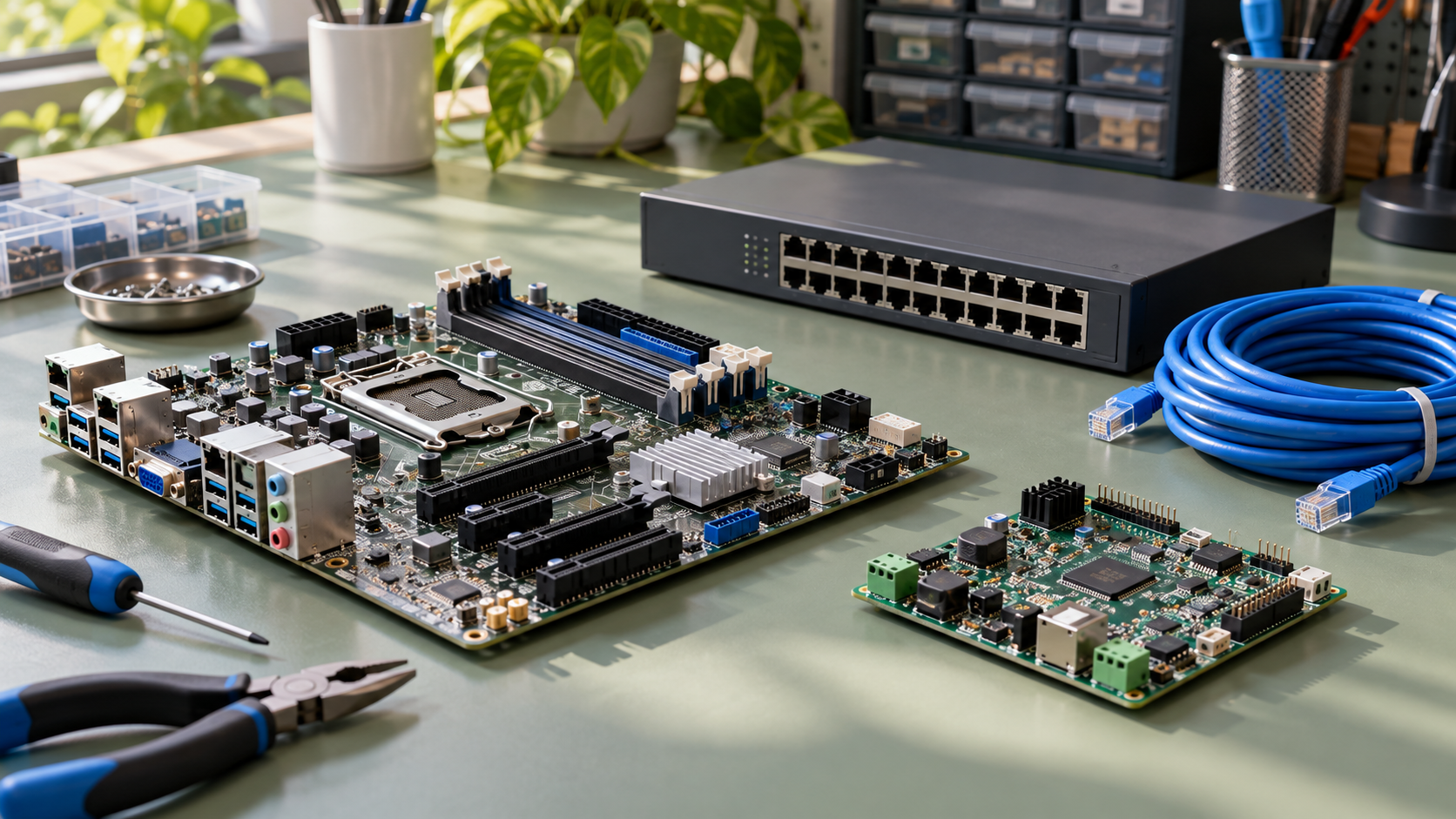
Explain the why behind the how
A demonstration becomes more valuable when the learner understands why a step is needed, what result to expect, and what to do when the result differs. My vision is to create practical content with that structure rather than simply showing a finished installation.
Topics can grow from hardware diagnosis and basic networking to surveillance planning, power-product concepts, and manufacturing processes. Lessons should be scoped to the learner’s experience and the tools available.
Build learning around realistic tasks
A proposed lesson format begins with a problem, describes the setup, works through observations, and ends with a check of the result. Examples should include mistakes and limits, because real work does not always follow a perfect demonstration.
Where an activity involves hazardous voltages, sensitive information, or specialist equipment, the lesson should explain the boundary between learning a concept and performing work that needs qualification or supervision.
Reach beyond the first audience
I want the knowledge to be useful to students, local technicians, small businesses, and first-time entrepreneurs. Wider reach means considering low-bandwidth access, readable diagrams, concise checklists, and examples based on equipment learners are likely to encounter.
The website currently uses English. Additional formats, regional-language explanations, or workshops can be explored as future efforts; this page does not announce an existing program or promise coverage in every region.
Create a respectful feedback loop
Questions from learners can reveal where an explanation is incomplete. Over time, feedback should guide clearer examples and better troubleshooting material. Any community or workshop activity should have a defined purpose and realistic capacity.
The aim is practical confidence, not an unverified claim of certification, job placement, or guaranteed income. Progress should be visible in what a learner can explain, diagnose, or build responsibly.
Learn through the full infrastructure journey
I want servers and storage to be visible learning areas alongside computers, networking, internet, and security. A practical sequence can begin with explaining a small organization’s needs, then show how a server, network, storage system, backup process, and supporting power fit together.
The learner should see the handover as well as the installation: a usable diagram, recorded settings, clear ownership, and a check of the intended result. These habits can make technical work more consistent and help knowledge pass from one person to another.
Proposed next steps
- Begin with common, well-understood problems.
- Publish explanations, diagrams, and result checks.
- Collect questions and improve unclear material.
- Explore broader formats as capacity develops.
What progress should show
- Learner understanding of the reasoning
- Ability to repeat an appropriate task
- Usefulness of checklists and diagrams
- Questions resolved through content improvements
This is Arvind Mishra’s vision and proposed development approach. Future categories, capabilities, partnerships, and milestones are ambitions unless explicitly described as current work. Product photographs are AI-generated illustrations, not photographs of manufactured inventory.